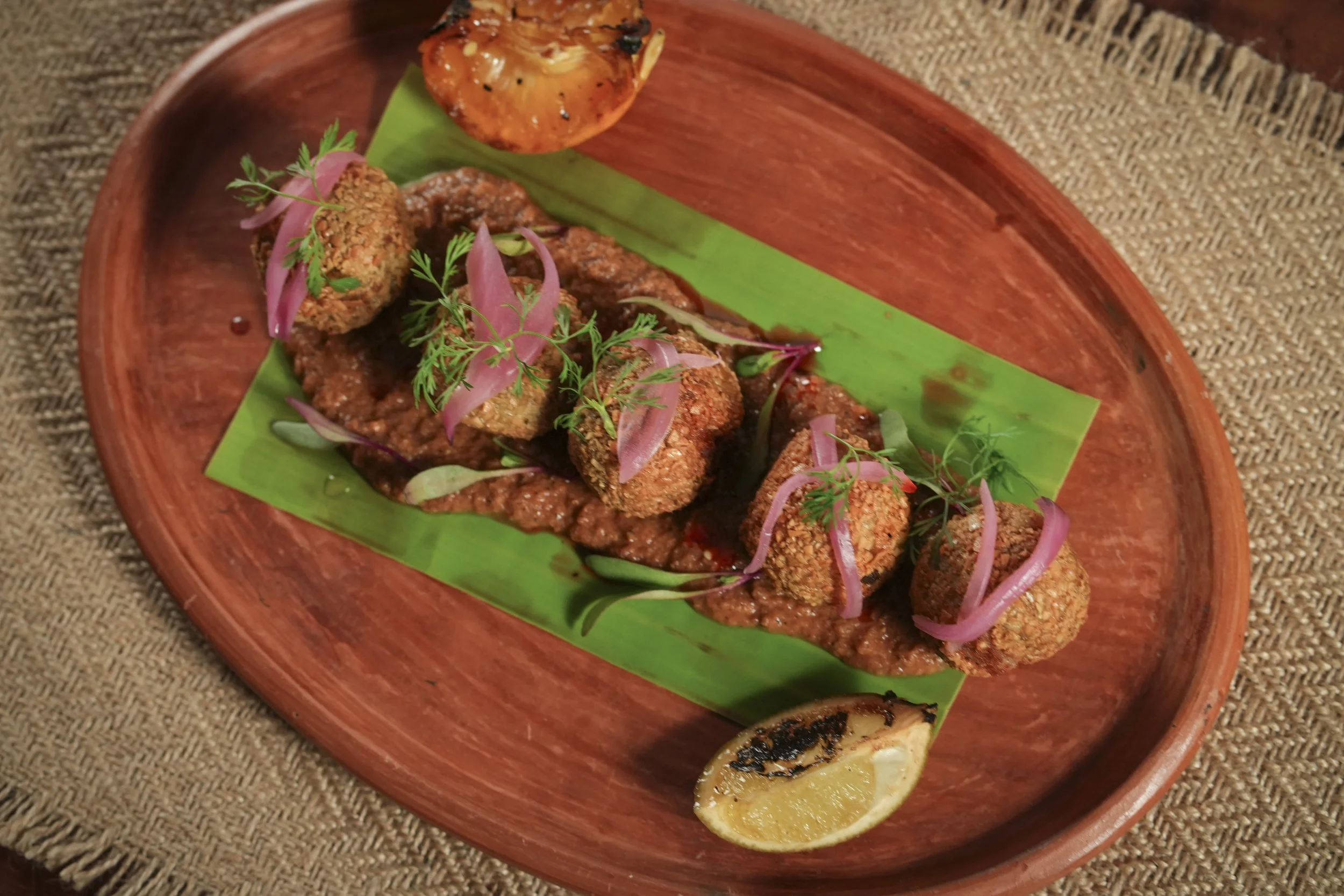
Mayan Cuisine in Antigua Guatemala
Maya cuisine was grounded in corn, considered sacred and present in nearly every dish: tortillas, tamales, atoles, and more. It was enriched with ingredients like beans, squash, chili, tomato, and pumpkin seeds, creating a rich and complex plant-based foundation. Animal proteins from hunting were also included, always with ritual respect for nature.
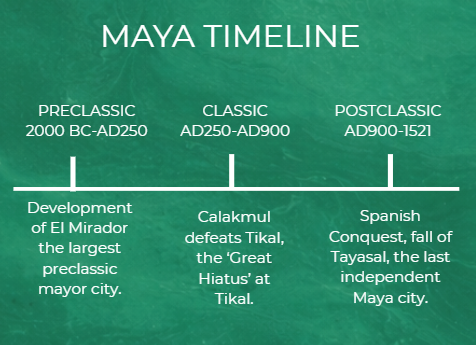
The Maya civilization spanned what is now Guatemala, southern Mexico, Belize, Honduras and El Salvador, across three long eras: the Preclassic (2000 BC–250 AD), the Classic (250–900 AD) and the Postclassic (950–1521 AD). They built cities in stone, tracked the movement of planets, and developed a writing system — and alongside all of it, an agricultural and culinary system so well designed that it still feeds the region.
At its center was the idea that everything is connected: the rain, the sun, the soil, the harvest and the people who eat from it. Food sat at the meeting point of all of those.
What Is Mayan Cuisine?
The milpa is the agricultural system the entire cuisine grows out of — corn, beans and squash planted together, each one feeding the others. The corn stalk gives the bean vine something to climb; the bean fixes nitrogen back into the soil; the broad squash leaves shade the ground and hold in moisture.
Nutritionally, the combination is just as deliberate. Corn and beans together form a complete protein, which is why a largely plant-based diet sustained a civilization of millions.
Each color of corn carried meaning. White for bone, yellow for skin, red for blood, black for hair — the plant mapped onto the human body.
The Milpa: Corn, Beans and Squash
Cacao was considered a gift from the gods, reserved for rulers and priests. It was drunk in ceremony — mixed with chili, honey or flowers — at weddings, births, and in petitions for rain and protection. The beans were valuable enough to circulate as currency.
We serve it as ceremonial cacao, prepared with Guatemalan beans and without the sugar that turned it into a dessert five centuries later.
Cacao, the Sacred Drink
From Codex to Plate: How We Cook
Our starting point is simple: Maya culture is alive, not archived. Every dish on our menu begins with an ancestral ingredient or a traditional Guatemalan preparation, and then asks what it becomes with contemporary technique and plating.
That means a chuchito becomes a soufflé, built on our own nixtamalized masa. It means hilachas — slow-cooked shredded beef in red chile sauce, a Guatemalan Sunday staple — meets black corn chips and avocado mousse. It means a ceviche cured not in citrus alone but in a black sauce drawn from corn husk, served with a grilled chipilín tamal.
Nothing is diluted to be made familiar. The chili stays. The pumpkin seed stays. The recado stays.
We work with producers across Guatemala for corn, cacao, cheeses and seeds, and our coffee comes entirely from Maya growing regions.
Our Ingredients
Iguashte: An ancestral Kaqchikel recado of toasted, ground squash seed — thick, nutty, deeply savory. Learn more: https://www.itzam.com.gt/blog/iguashte
Pepitoria: Toasted pumpkin seed, ground into sauces or scattered whole for texture
Piloy: A large native Guatemalan bean, creamy and mild.
Chipilín: An aromatic leaf cooked into tamales, broths and rice — herbal, faintly bitter.
Chiltepe: A tiny wild chili, sharp and fast-burning, used across Guatemala.
Miltomate: The small green tomatillo at the base of jocón and other green recados.
Tusa: Corn husk — in our kitchen, the base of a black, smoky curing liquid.
Mashan: A broad leaf used to wrap and steam, imparting a green, grassy aroma.