What Is Iguashte?
A traditional Guatemalan sauce — a “recado” — made from ground squash seed.
Guatemalan cooking is built on ingredients that have passed through generations: corn, cacao, chiles, tomatoes, herbs and seeds that still define how the country tastes. Iguashte, also spelled iwaxte, is one of them: a traditional recado with Maya Kaqchikel roots.
Maya Origins
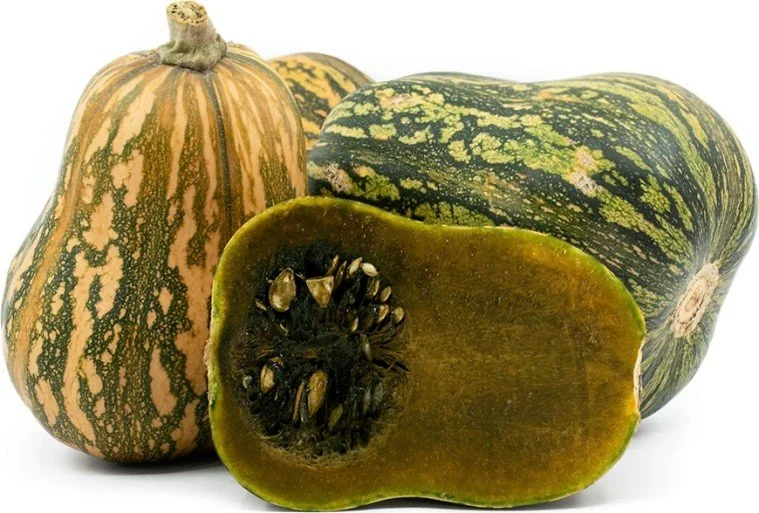
In the Maya Classic period (250–900 AD), ayote — squash — was a staple that was used in full, nothing discarded. Alongside corn and beans it formed the Mesoamerican triad, what English speakers know as the Three Sisters, planted together in the milpa.
How it was eaten in the Classic period:
The flesh, boiled or roasted. Ripe ayote was cut into pieces and steamed or boiled in clay pots.
The seeds, or pepitoria. One of the most important sources of protein and fat in the diet. The seeds were dried, toasted on the comal, and either eaten whole or ground on the metate — a stone grinding slab — into a fine flour.
Sweetened with wild honey. When a preparation called for sweetness, the Maya mostly used honey from the melipona, the stingless bee. Ayote was boiled and left to take on that pure honey.
The flowers. The yellow squash blossoms and the tender shoots of the plant were never wasted — they were gathered for soups, broths, or served on their own.
How is Iwashte made?
The squash seeds are toasted to bring out their aroma before being finely ground. In Guatemala the seed itself is called “pepitoria”. Depending on the region and the recipe, it is combined with tomato, miltomate (tomatillo), onion, garlic and different varieties of Guatemalan chiles.
Here is the traditional version. Toasted, ground squash seed is the main ingredient:
• 1/3 cup pepitoria (about 45 g)
• 1½ lb tomatoes (about 700 g)
• 1 medium onion
• 1 clove garlic
• 2 cups water
• 1 tsp oil
• Green beans or izote flower, boiled, to taste
• Salt and pepper to taste
Method
1. Toast the pepitoria, grind it to a powder in the blender, and set aside.
2. Roast the tomatoes, onion and garlic. Blend with the water and strain.
3. Fry the blended mixture in the oil, stir in the ground seed, and let it thicken.
4. Season with salt and pepper.
5. Add the vegetable you chose and let it finish cooking.
In most sauces a seed is an accent. In iguashte the squash seed is the whole point — it carries the flavor, and most of the texture and body too.
The Importance of the Comal
One of the defining techniques in traditional Guatemalan cooking is toasting ingredients on a comal, the flat cooking surface used across Mesoamerica for generations. It is what tortillas are made on, but it also does the real work of building flavor in seeds, tomatoes, chiles and everything else that goes into a recado.
For iguashte, toasting the seed is what creates the deep roasted flavor the sauce is named for.
How Is Iguashte Traditionally Served?
There are many regional versions across Guatemala.
It can be served over vegetables — green beans, potato, pacaya (palm flower) or güisquil (chayote), cooked first in a little water — while other traditional preparations pair the recado with chicken, or with iguana.
Because recipes are tied to regional and family tradition, there is no single version that speaks for every community in Guatemala. Each one reflects a place, a family, and a particular way of understanding the same ingredient.
Iguashte at ITZAM
Our white corn croquette with piloy beans is served over an iguashte of toasted pepitoria and chile. It was one of the first dishes on the menu and one of the few we have never changed.
More here: itzam.com.gt/mayan-cuisine
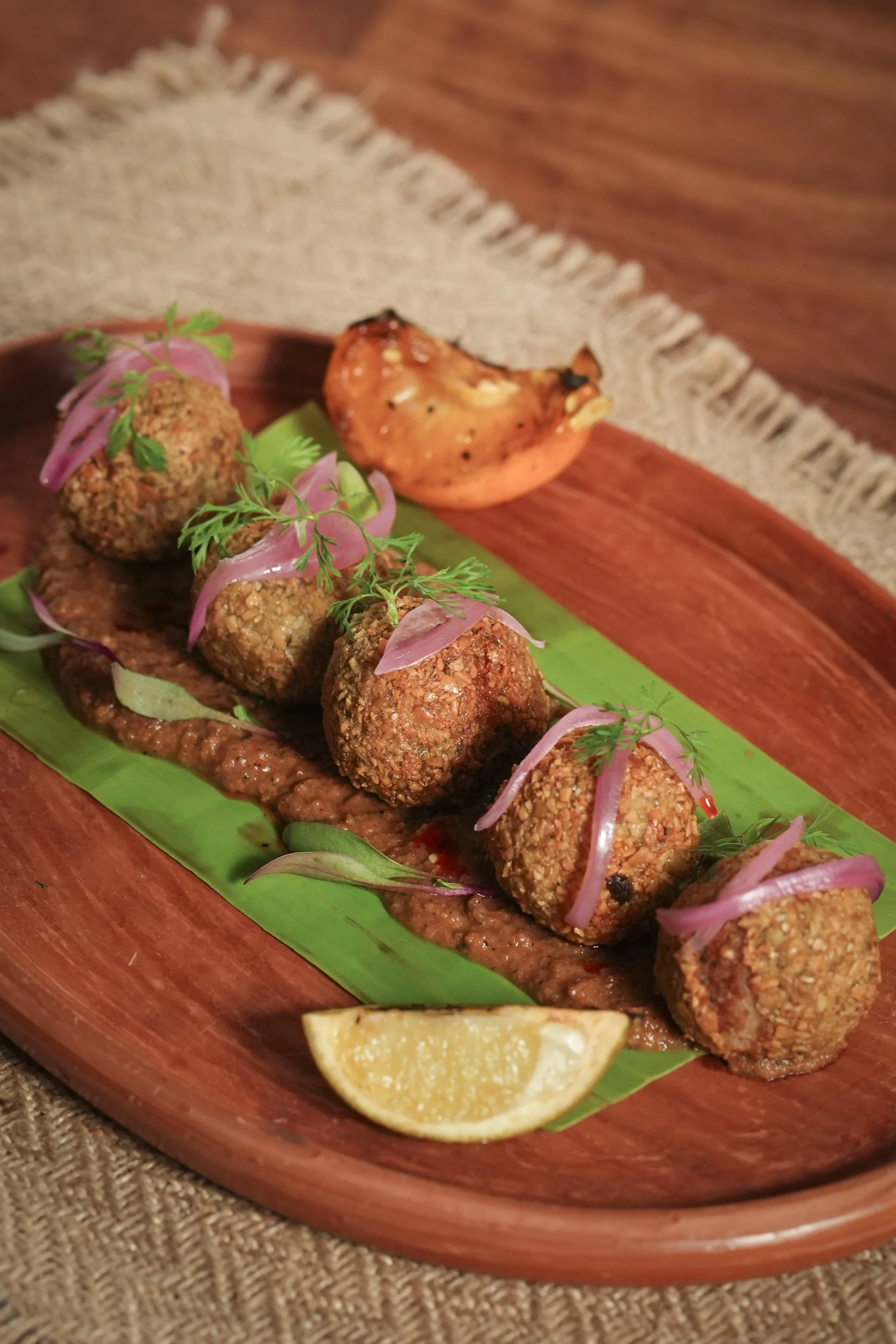
Corn Croquette
White corn dough and piloy beans, served with a toasted pumpkin seed and chili iguashte sauce.
